Archives
- 2026-09
- 2026-08
- 2026-07
- 2026-06
- 2026-05
- 2026-04
- 2026-03
- 2026-02
- 2026-01
- 2025-12
- 2025-11
- 2025-10
- 2025-09
- 2025-03
- 2025-02
- 2025-01
- 2024-12
- 2024-11
- 2024-10
- 2024-09
- 2024-08
- 2024-07
- 2024-06
- 2024-05
- 2024-04
- 2024-03
- 2024-02
- 2024-01
- 2023-12
- 2023-11
- 2023-10
- 2023-09
- 2023-08
- 2023-07
- 2023-06
- 2023-05
- 2023-04
- 2023-03
- 2023-02
- 2023-01
- 2022-12
- 2022-11
- 2022-10
- 2022-09
- 2022-08
- 2022-07
- 2022-06
- 2022-05
- 2022-04
- 2022-03
- 2022-02
- 2022-01
-
The relaxant response to carperitide was influenced neither
2022-04-14

The relaxant response to carperitide was influenced neither by the removal of the endothelium nor by treatment with the nitric oxide synthase inhibitor or nitric oxide scavenger. This result was to be expected as previous studies showing that the vasodilator action of atrial natriuretic peptide is
-
Distribution of Iodine labeled ANP
2022-04-14
Distribution of 125Iodine-labeled-ANP (125I-ANP) radioactivity on the cell surface, in the intracellular compartments, and in culture medium established a dynamic equilibrium of receptor-mediated 125I-ANP uptake, degradation, and release outside of supplier (Fig. 2). A major proportion of internaliz
-
The use of antiinflammatory agents has been suggested as
2022-04-14
The use of antiinflammatory agents has been suggested as a potential treatment in HF. One strategy targeted tumor necrosis factor (TNF) in HF,, but the negative results of the clinical trials have been discouraging., Other clinical trials have attempted to suppress proinflammatory cytokine product
-
In conclusion LA is able to enhance osteoblast differentiati
2022-04-14

In conclusion, LA is able to enhance osteoblast differentiation that mediated by PTH in a MCT-1 independent but GPR81 signaling dependent manner. This increase requires p38 activation and an Akt activation that depended on Gβγ-protein-PLC-PKC signaling. However, the ability of LA to increase PTH–med
-
prolyl hydroxylase inhibitor In order for cytokines to
2022-04-14
In order for cytokines to exert any effect on the NSC population, they must first bind to specific receptors on the cell surface. Numerous pro- and anti-inflammatory cytokines are able to exert effects on the NSC population, including IL-1β through IL-1R1 and IL-1R2, TNFα through TNFR1 and TNFR2, IL
-
Although it is currently unknown why
2022-04-14

Although it is currently unknown why the longer splice variant found in the human has not been found in any other species, similar results have been reported for other receptors, including the c-kit inhibitor receptor splice variant ERbeta2 identified in human and primate, but not other species (Si
-
For some agonists these stable GPR
2022-04-14

For some agonists, these stable GPR119 responses were resistant to washing. Thus, sustained activation could continue, for at least a number of hours, even after removal of free agonist. These data are consistent with reports for other GPCR systems that do not desensitize (Calebiro et al., 2009, Fer
-
In recent years several DPP
2022-04-14
In recent years, several DPP-IV inhibitors have already been approved, such as sitagliptin, vildagliptin, saxagliptin, tenegliptin, alogliptin and linagliptin, etc. Among them, linagliptin (1, Fig. 1) is a non-peptide mimetic Calphostin C synthesis with a unique xanthine scaffold developed through
-
AXL1717 Conjugated BAs via S PR also activate ERK and AKT
2022-04-14
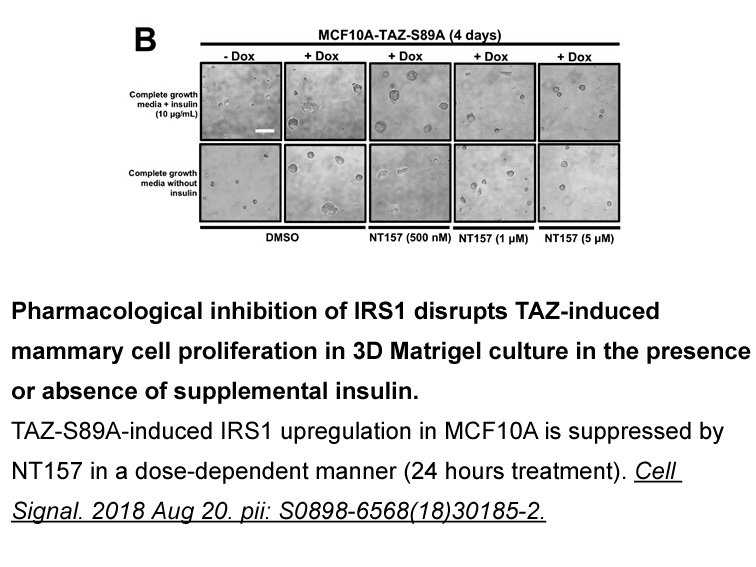
Conjugated BAs via S1PR2 also activate ERK1/2- and AKT-signaling pathways leading to the growth and invasion of cholangiocarcinoma cells. The role of conjugated BAs via S1PR2 to regulate apoptosis or cancer progression remains to be dissected. Nevertheless, there is no doubt that the composition of
-
Our supF forward mutation assay revealed
2022-04-14
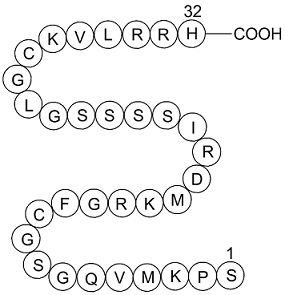
Our supF forward mutation assay revealed, for the first time, that 5OHU predominantly induced the C→T mutation in human cells. The mechanism underlying the induction of the C→T mutation in human cells by 5OHU remains unclear, however, the finding that 5OHU predominantly induced the C→T mutation was
-
br Declaration of interest br Acknowledgments br
2022-04-14
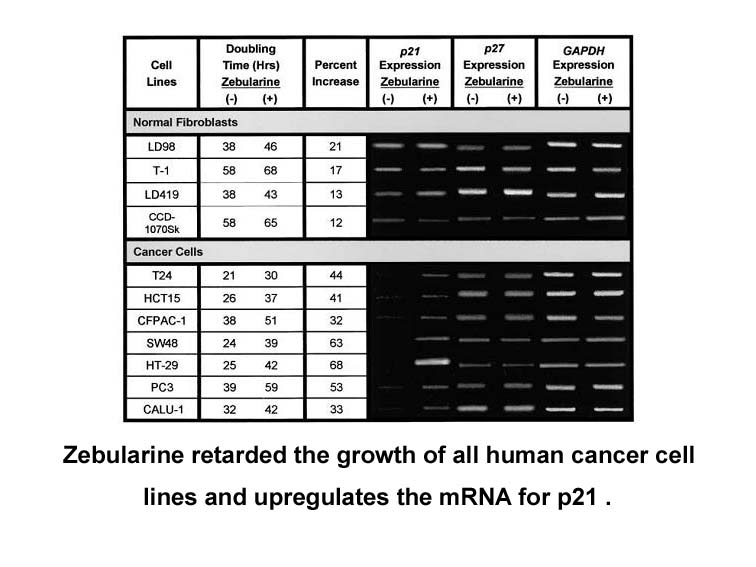
Declaration of interest Acknowledgments This work was supported by grants from the Polish National Science Centre (PRELUDIUM grant no. 2013/11/N/NZ5/00270) and the European Commission FP7 Project Beta-JUDO (grant number 279 153), European Union EIT Health project DeTecT2D, Swedish Diabetes A
-
br Materials and methods br Results Aberrant A has been
2022-04-14
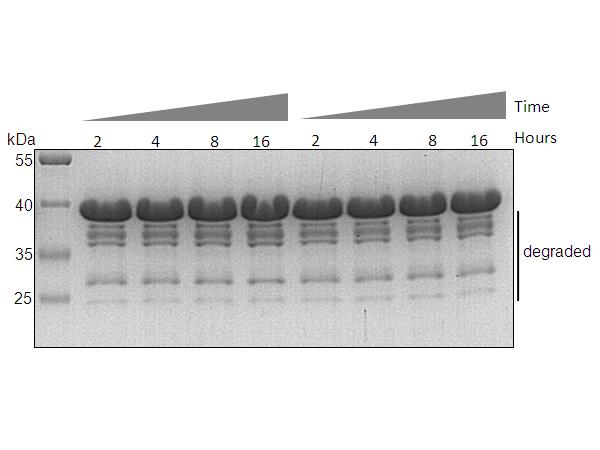
Materials and methods Results Aberrant Aβ has been suggested to be an initiating factor for glutamate excitotoxicity in AD pathology. To investigate whether Aβ1-42 alters glutamate uptake in astrocytes, neurons, and astrocyte-neuron co-cultures, we used synthetic Aβ1-42 peptide. Aβ1-42 has fas
-
A majority of investigations of the GCK PFK FBPase
2022-04-14
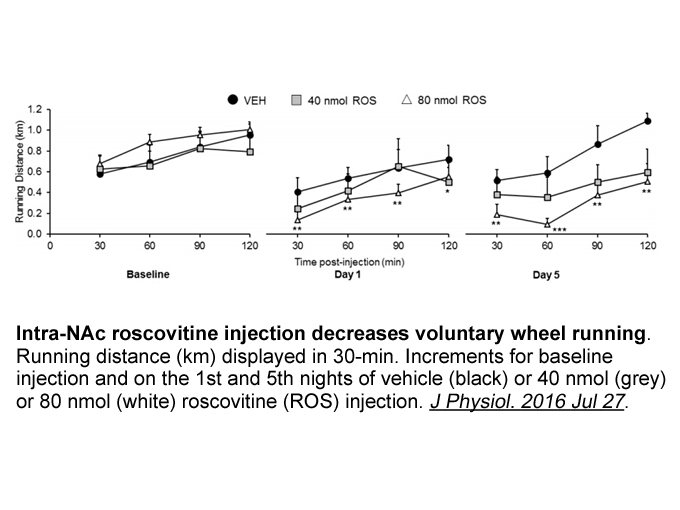
A majority of investigations of the GCK-PFK-2/FBPase-2 interaction have taken place within cells. Immunofluorescence studies in several fixed cell lines indicate that GCK colocalizes with PFK-2/FBPase-2 in the cytoplasm following overexpression [[68], [69], [70]]. Live cell imaging conducted on Chlo
-
CSL is endowed with an intrinsic transcription
2022-04-14
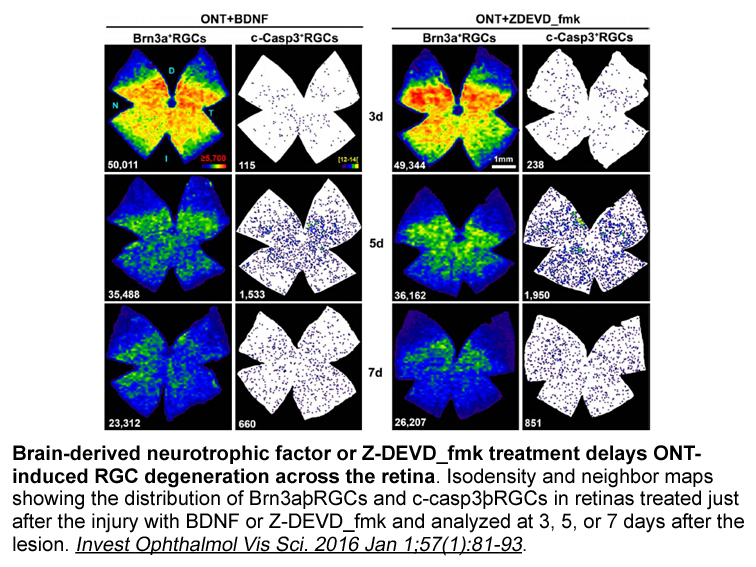
CSL is endowed with an intrinsic transcription-repressive function, and CAF-effector genes are induced as a consequence of CSL downmodulation (Hu et al., 2012, Procopio et al., 2015), as it can occur upon exposure to pro-carcinogenic stimuli such as UVA or smoke-derived compounds (Menietti et al., 2
-
Although ALPS type is very rare with few
2022-04-13
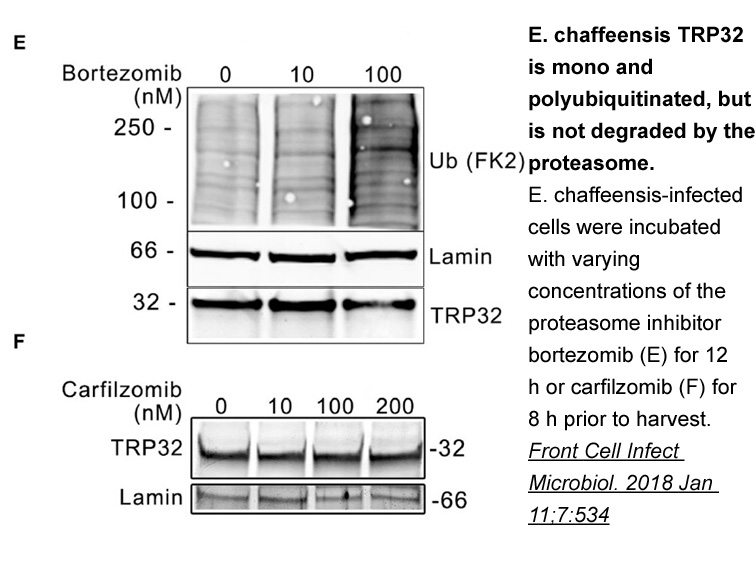
Although ALPS type 0 is very rare with few published cases, we herein report the clinical and immunogenetic characteristics of two additional unrelated patients from highly inbred North African population. Both patients present two rare splicing defects mechanisms in FAS gene inducing the skipping o
8353 records 498/557 page Previous Next First page 上5页 496497498499500 下5页 Last page