Archives
- 2026-09
- 2026-08
- 2026-07
- 2026-06
- 2026-05
- 2026-04
- 2026-03
- 2026-02
- 2026-01
- 2025-12
- 2025-11
- 2025-10
- 2025-09
- 2025-03
- 2025-02
- 2025-01
- 2024-12
- 2024-11
- 2024-10
- 2024-09
- 2024-08
- 2024-07
- 2024-06
- 2024-05
- 2024-04
- 2024-03
- 2024-02
- 2024-01
- 2023-12
- 2023-11
- 2023-10
- 2023-09
- 2023-08
- 2023-07
- 2023-06
- 2023-05
- 2023-04
- 2023-03
- 2023-02
- 2023-01
- 2022-12
- 2022-11
- 2022-10
- 2022-09
- 2022-08
- 2022-07
- 2022-06
- 2022-05
- 2022-04
- 2022-03
- 2022-02
- 2022-01
-
This study is intriguing for several reasons
2022-01-24
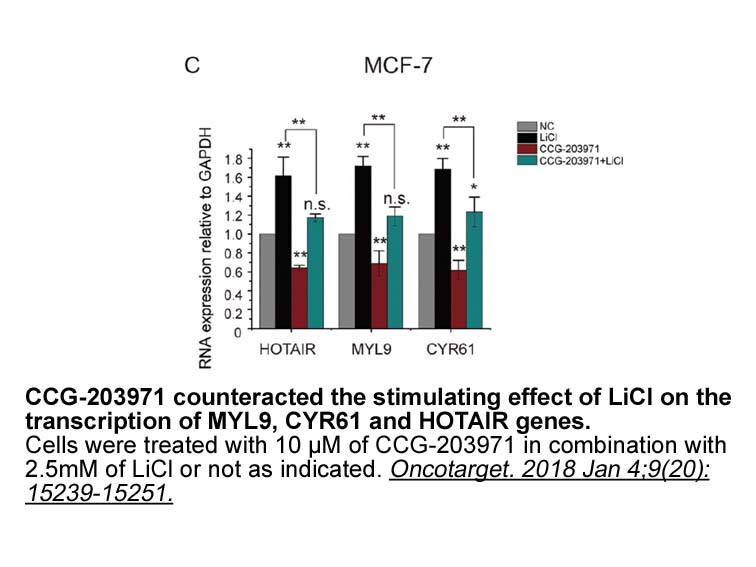
This study is intriguing for several reasons. For acute pancreatitis and acute hepatitis, the early impact of inflammatory cell activation has recently been highlighted and macrophages seem to play a critical role in the disease initiation and severity., , To activate the NLRP3 inflammasome, a 2-ch
-
br Results and discussion br
2022-01-24
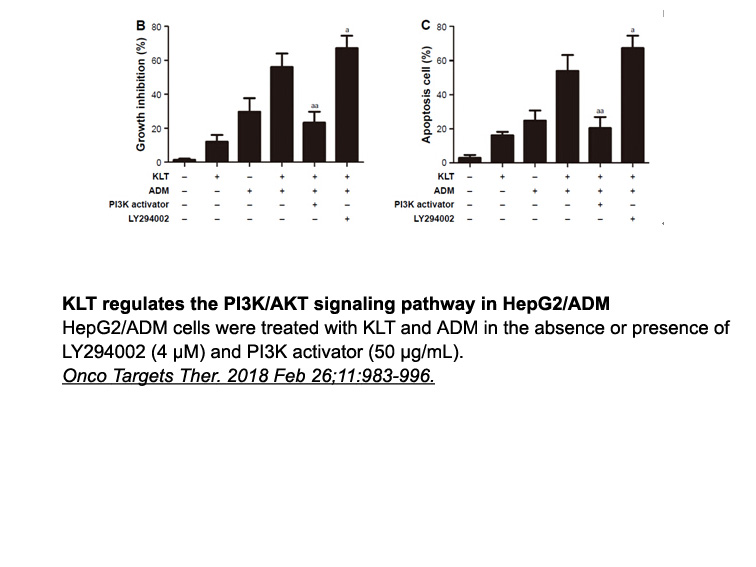
Results and discussion Conclusions In summary, we generated analogues of the hit compounds 1–3, studied their structure–activity relationships, and created a series of highly potent GPR55 agonists. The most potent agonists among the series were 17a-b, 17e, 17g and 17l with EC50 values below 10
-
Hesperidin is an abundant and inexpensive plant flavonoid
2022-01-21
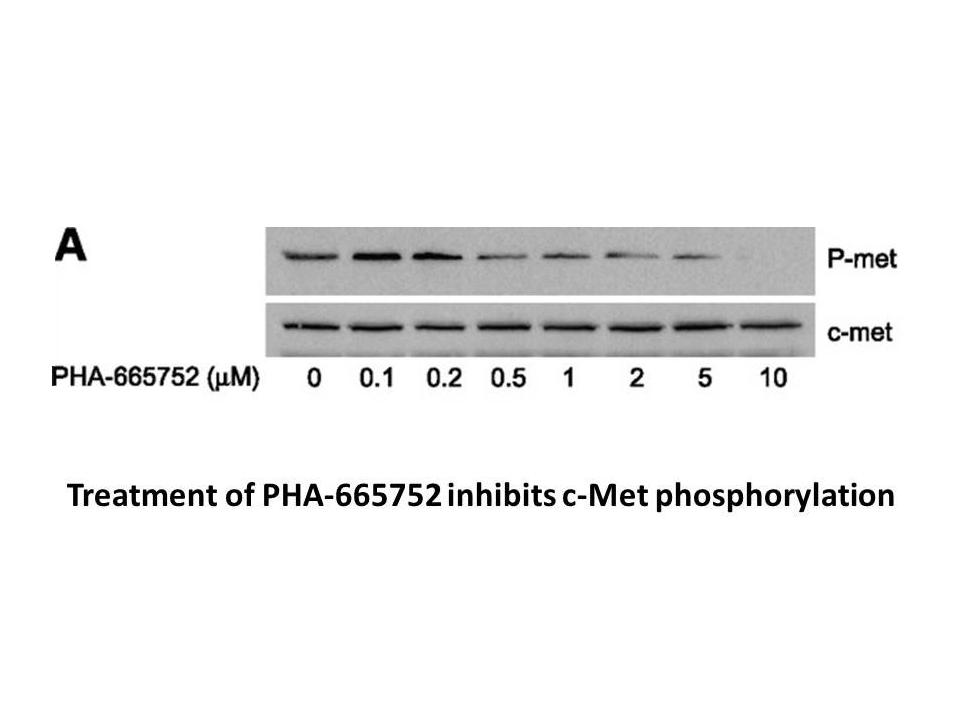
Hesperidin is an abundant and inexpensive plant flavonoid, largely derived from citrus species including sweet orange and lemon. Hesperetin (Hst) is the aglycone of hesperidin. Hesperidin and hesperetin have been reported to show a battery of pharmacological properties, including anti-hyperlipidemic
-
AZ 10606120 dihydrochloride Conversely we find that dysfunct
2022-01-21
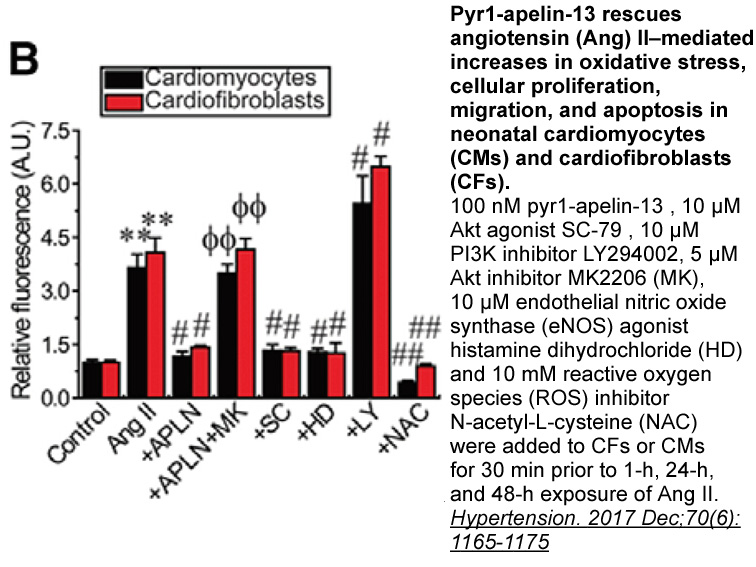
Conversely, we find that dysfunction in lysosomal-autophagy system observed in human APP and PSEN1 mutant neurons can be reversed by β-secretase inhibition, which reduces the supply of APP-β-CTF to the late endosome and/or lysosome (Jiang et al., 2010). These data argue that accumulation and/or alte
-
Interestingly we have shown that OA required FFAR to induce
2022-01-21
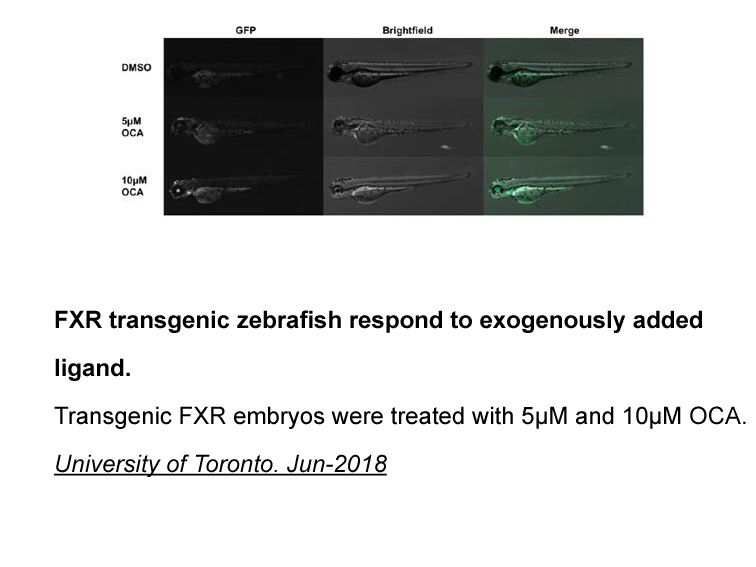
Interestingly, we have shown that OA required FFAR4 to induce osteoblast gene expression in MC3T3-E1 pre-osteoblasts, but not to inhibit osteoclastogenesis in RAW264.7 murine macrophages. As previously suggested, FFAR1 may mediate the effects of OA in osteoclasts. However, FFAR1 has also been shown
-
Fpr appears to be an indispensable component
2022-01-21
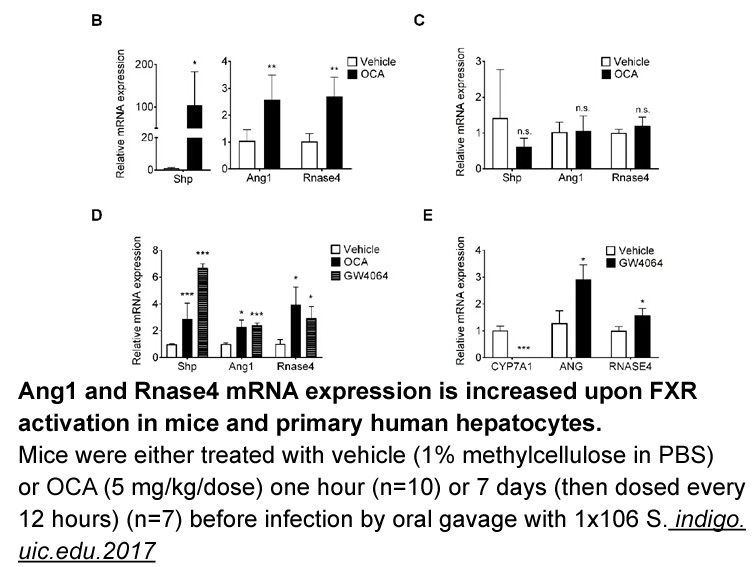
Fpr2 appears to be an indispensable component of the signaling chain governing dendritic cell trafficking in allergic airway inflammation (Chen et al., 2010). The FPR3 agonist FL2 is chemoattractant for dendritic cells, but its biological role in vivo is yet to be defined. Within the inflammatory s
-
cholecystokinin receptor Taken together this study provides
2022-01-21
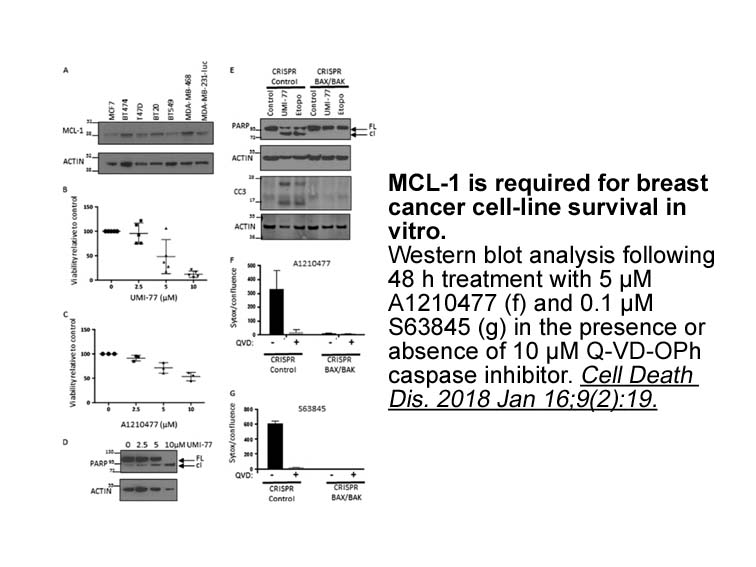
Taken together, this study provides the proof of concept that our novel heterologous human/rat HER2-specific T cell vaccine HuRt-TEXO, which is capable of stimulating both humoral and CTL responses leading to potent antitumor immunity through the circumvention of HER2 tolerance in double transgenic
-
Ras small GTPases are critical molecular switches
2022-01-21
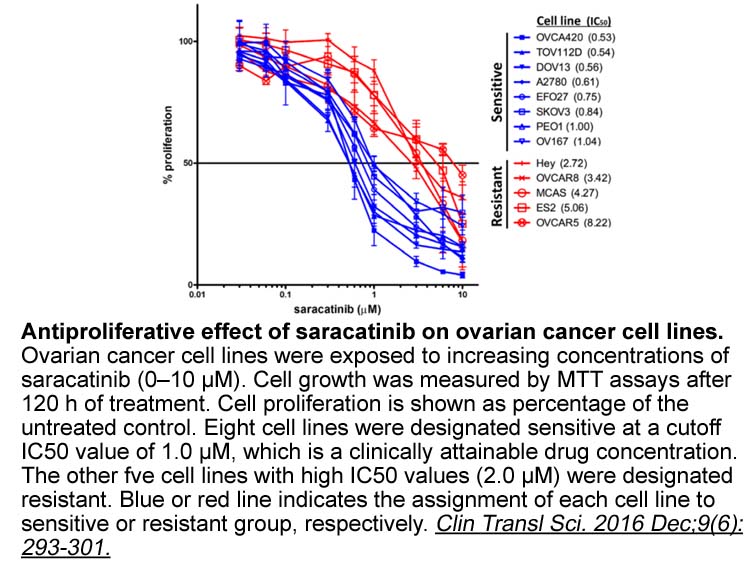
Ras small GTPases are critical molecular switches that connect extracellular signals to intracellular signaling pathways initiated by membrane receptors, such as growth factor receptors and G protein-coupled receptors (Simanshu et al., 2017). When shifting between active GTP-bound and inactive GDP-b
-
br Materials and methods br Results br Discussion An
2022-01-21
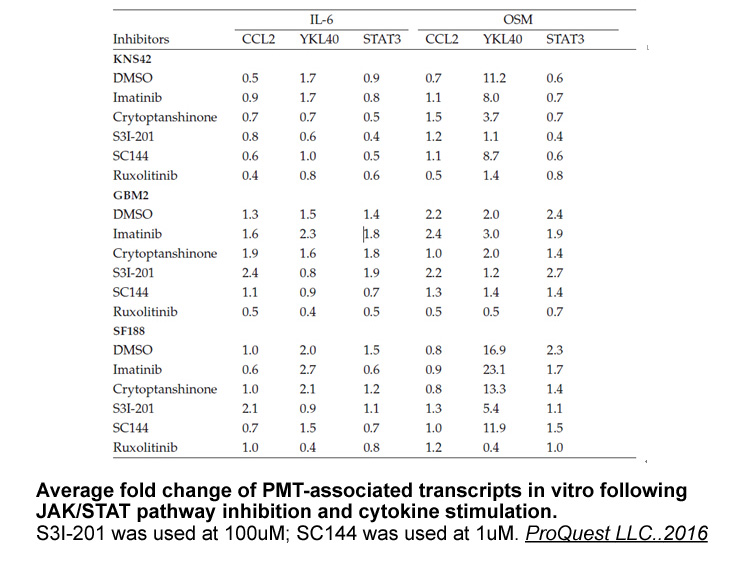
Materials and methods Results Discussion An HMC is a blinding type of cataract frequently observed in Asian countries due to the appallingly high incidence of high myopia in those areas [4], [5] and typically features earlier onset and more rapid progression of nuclear cataract [1], [2]. Th
-
Of what interest is the link between
2022-01-21
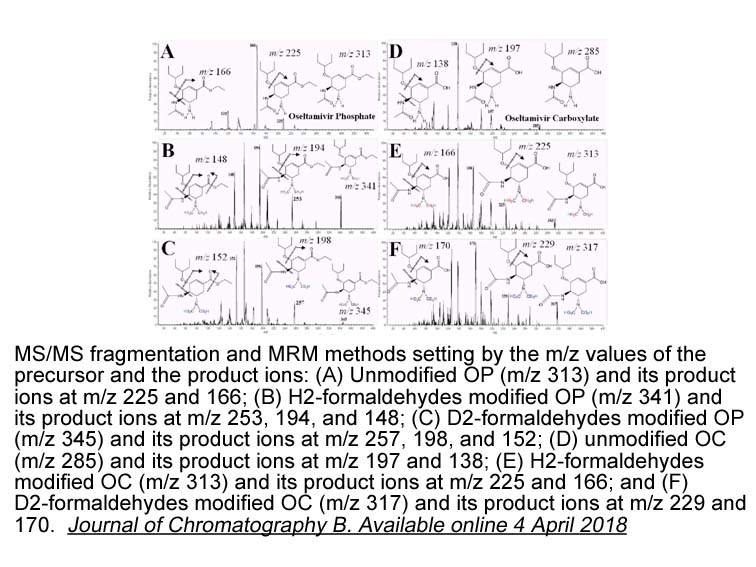
Of what interest is the link between GSNOR and NO in the plant response to Fe deficiency? On the one hand, NO acts as an important signal to help plants accommodate Fe deficiencies; on the other hand, surplus NO is indeed a harmful RNS that induces severe S-nitrosylation-related damage at a higher s
-
The results of our study
2022-01-20
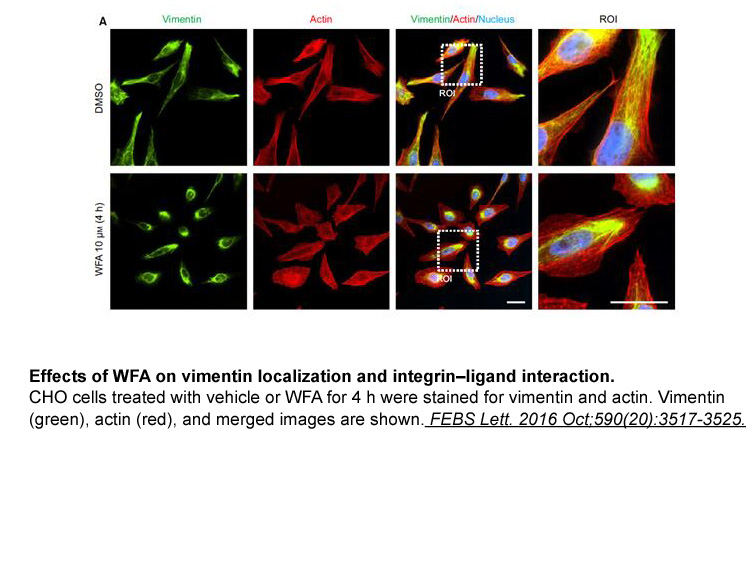
The results of our study indicate the general importance of the gp120 V3 loop Bazedoxifene HCl patch in the subunit association of primate immunodeficiency virus Env trimers. Our observation that the stem insertion mutants and hydrophobic patch mutants exhibit similar phenotypes with respect to gp1
-
When PKC was applied alone it attenuated the activity run
2022-01-20
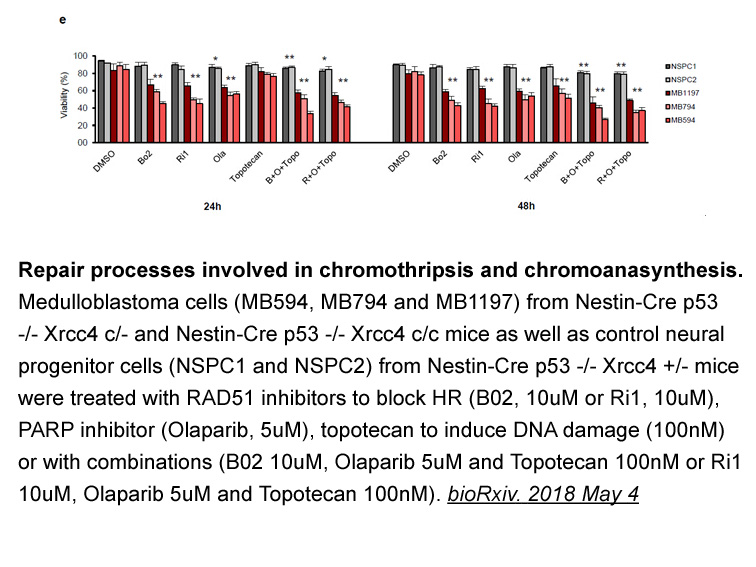
When PKC19–31 was applied alone, it attenuated the activity run-down following excision. Furthermore, the activity induced by addition of PKC19–31 during PMA treatment in many cases was higher than in controls. Accordingly, in our experimental conditions, the mechanism which underlays channel inhibi
-
Cx is the major molecule involved in the dynamic life
2022-01-20
Cx43 is the major molecule involved in the dynamic life cycle of GJIC (Cusato et al., 2006). Initially generated Cx43 exist in the cytoplasm and correctly transfer it to the plasma membrane during its life cycle (Ji et al., 2018). To understand the toxic effects of MC-LR on GJIC, Cx43 localization w
-
A group of small molecule with a more promising
2022-01-20

A group of small molecule with a more promising therapeutic mechanism are known as γ-secretase modulators (GSMs), which modulate the cleavage activity of γ-secretase (and likely a host of other substrates) and specifically reduce the levels of the fibrillogenic Aβ42 peptide without altering the ε-si
-
Psoriasis is an inflammatory skin disease
2022-01-20
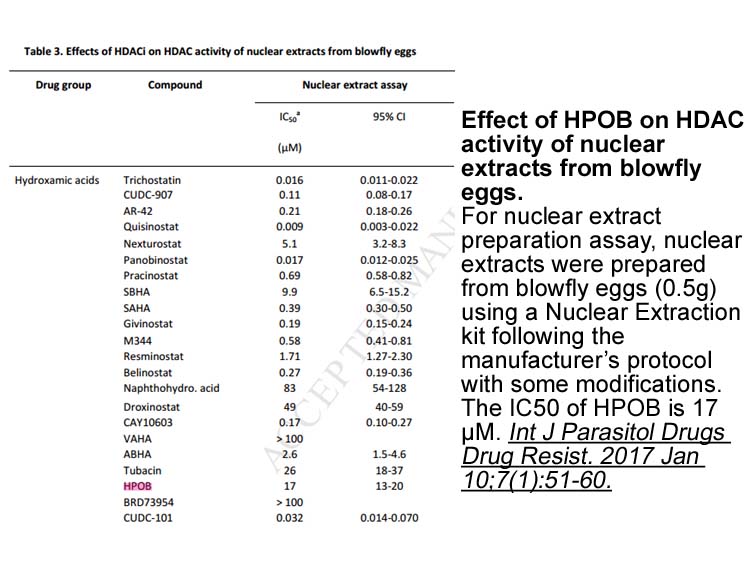
Psoriasis is an inflammatory skin disease characterized by epidermal hyperplasia; micro-abscesses; neo-angiogenesis; a proinflammatory cytokine environment involving alterations of IL-17A, IL-23, and TNF-α; and activation of and infiltration by macrophages, mast cells, neutrophils, CD11c+ dendritic
8352 records 544/557 page Previous Next First page 上5页 541542543544545 下5页 Last page