Archives
- 2026-11
- 2026-10
- 2026-09
- 2026-08
- 2026-07
- 2026-06
- 2026-05
- 2026-04
- 2026-03
- 2026-02
- 2026-01
- 2025-12
- 2025-11
- 2025-10
- 2025-09
- 2025-03
- 2025-02
- 2025-01
- 2024-12
- 2024-11
- 2024-10
- 2024-09
- 2024-08
- 2024-07
- 2024-06
- 2024-05
- 2024-04
- 2024-03
- 2024-02
- 2024-01
- 2023-12
- 2023-11
- 2023-10
- 2023-09
- 2023-08
- 2023-07
- 2023-06
- 2023-05
- 2023-04
- 2023-03
- 2023-02
- 2023-01
- 2022-12
- 2022-11
- 2022-10
- 2022-09
- 2022-08
- 2022-07
- 2022-06
- 2022-05
- 2022-04
- 2022-03
- 2022-02
- 2022-01
When skeletal muscle ages there is an increase in
2024-11-13
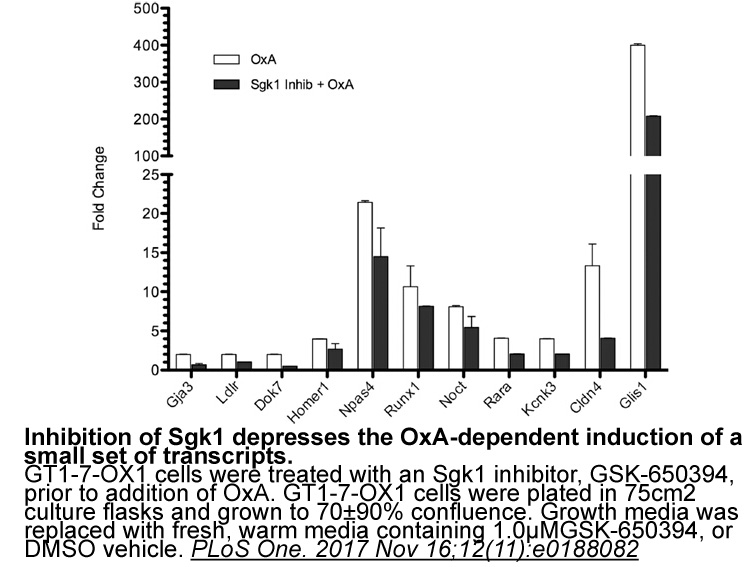
When skeletal muscle ages, there is an increase in frailty, which is coincident with a decrease in muscle mass and function—this condition is called sarcopenia (Cruz-Jentoft et al., 2010). It has been shown that one of the major pathways downregulated at the onset of sarcopenia is the mitochondrial
Recent studies have demonstrated that
2024-11-13
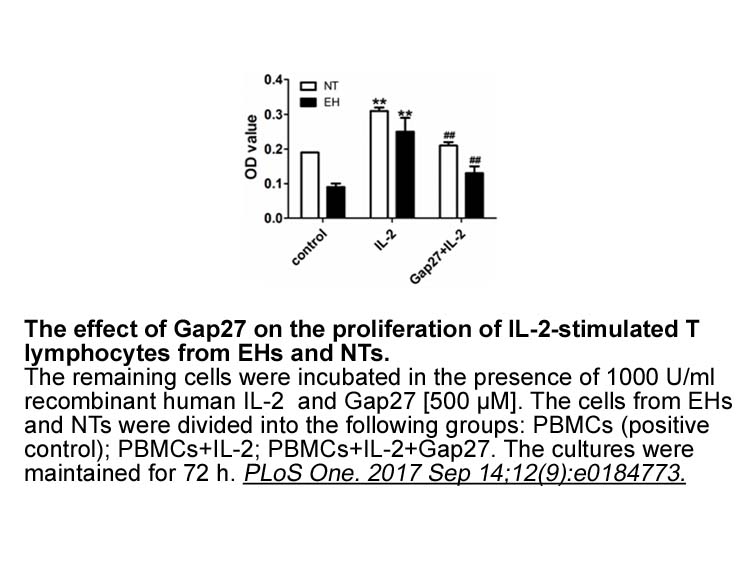
Recent studies have demonstrated that in response to IR, hundreds of substrates are phosphorylated in an ATM-dependent manner, clearly demonstrating the complexity of the ATM-mediated DDR pathways (Matsuoka et al., 2007, Bennetzen et al., 2010, Bensimon et al., 2010). However, evidence suggesting t
br Materials and methods br
2024-11-12
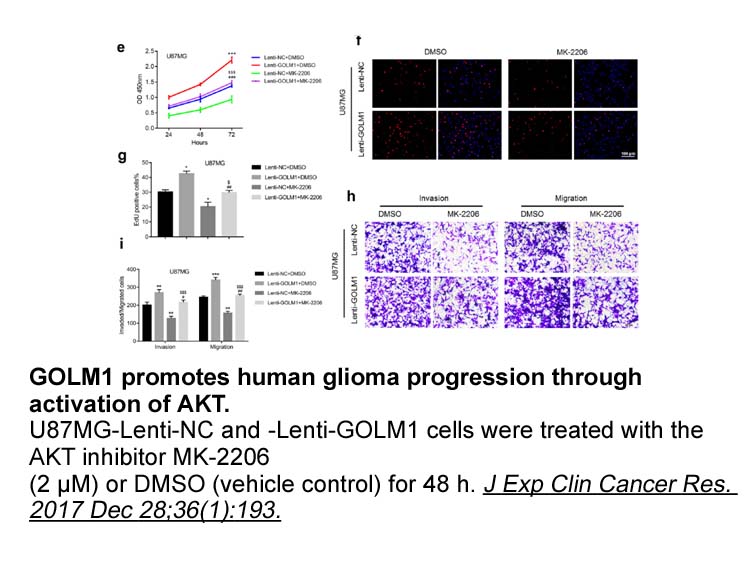
Materials and methods Results and discussion Conclusion Introduction Free radicals produced by normal oxidative metabolism in the human body can cause chain oxidation of food, accelerate food deterioration and cause serious problems of food safety (Choe & Min, 2006). Excess free radicals
br AR mediated actions in cells of
2024-11-12
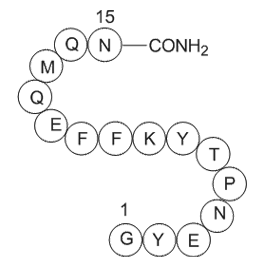
AR-mediated actions in AP-III-a4 receptor of the vascular wall Sex hormones may influence the size and composition of atherosclerotic lesions indirectly by modifying systemic cardiovascular risk factors such as plasma lipids profiles and insulin sensitivity; this aspect of their action is discus
br Androgen interference with the action of arachidonic acid
2024-11-12
Androgen interference with the action of arachidonic protein kinase inhibitor metabolites’ actions; the other side of the coin Arachidonic acid, being a polyunsaturated fatty acid present in the phospholipids of the membrane of cells, is highly abundant within the organism. It is mainly involved
br Acknowledgments br Introduction Amyloid deposit formation
2024-11-12
Acknowledgments Introduction Amyloid deposit formation is defined by the aggregation of β-sheeted forms of proteins that appear as starch-like amorphous material [1], [2]. Using a Kongo red stain, amyloids show birefringence behavior and an apple-green to reddish multicolor emission. Extracere
br Introduction AMP activated protein
2024-11-12
Introduction AMP-activated protein kinase (AMPK) has been found to be a key character against cardiovascular diseases and cellular stress. When activated by certain stress, AMPK regulates sugars and fatty acids that are good or detrimental to the heart. For example, targeting AMPK phosphorylation
Here we provide evidence that
2024-11-12
Here, we provide evidence that NO contributes to changes in synaptic strength, but also offer an explanation as to why previous attempts to link NO to LTP have often failed. Our results describe a model by which cycling AMPARs, held in intracellular pools, are rapidly delivered to the membrane surfa
Introduction Increasing environmental pollution caused by he
2024-11-12
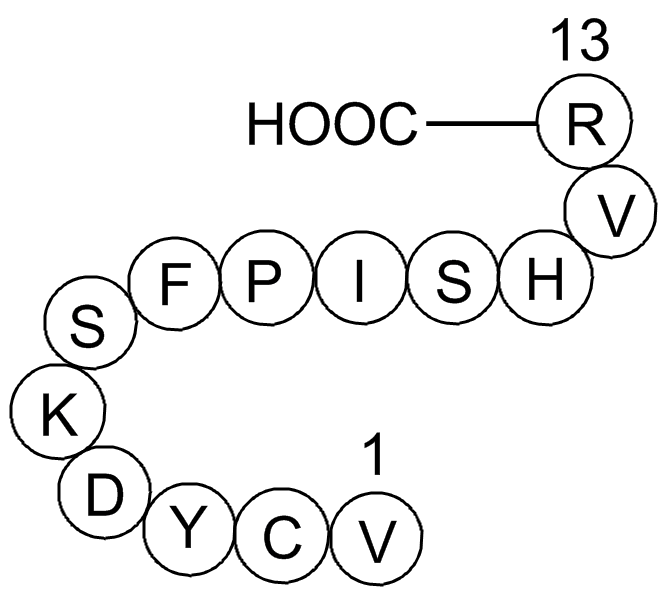
Introduction Increasing environmental pollution caused by heavy metals, originating mainly from industrial processes and urban activities, as well as the widespread application of pesticides, fertilizers, manure and sewage sludge, has posed a serious problem for safe food production and become a po
br Aldehyde sensors to monitor
2024-11-12
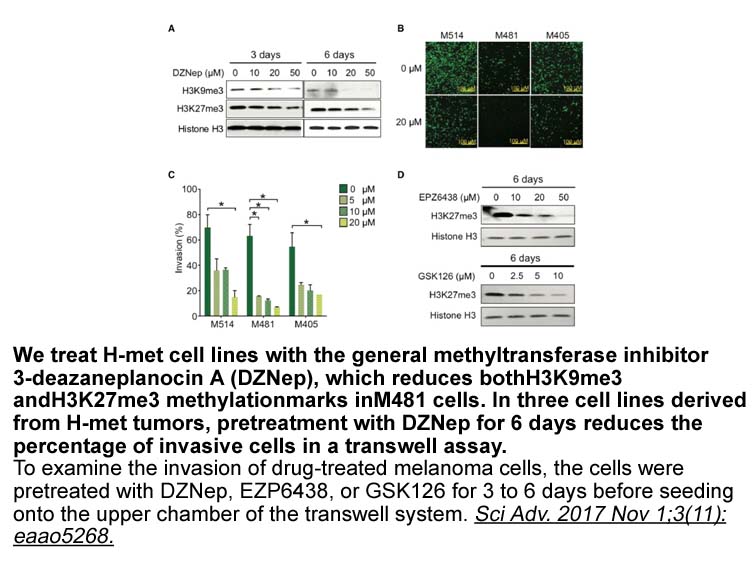
Aldehyde sensors to monitor substrate levels Previous efforts to ameliorate metabolic diseases frequently relied on biochemical methods which could measure the levels of toxic substrates in 6780 or bodily fluids (blood and serum or plasma, urine, cerebrospinal fluid). Therapeutic efforts to decr
br Conclusion br Conflict of interest br Acknowledgements br
2024-11-12
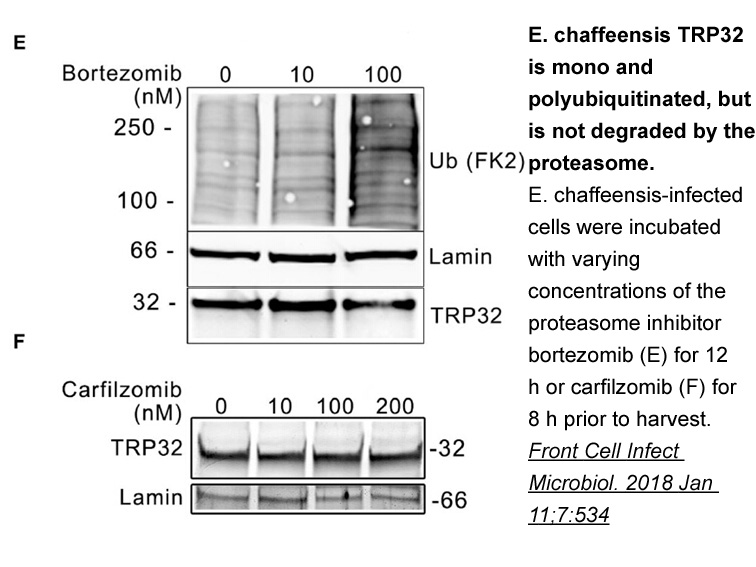
Conclusion Conflict of interest Acknowledgements Introduction Human salivary aldehyde dehydrogenase (hsALDH) (E.C. 1.2.1.5) is the first line of defence against toxic aldehydes in the oral cavity. HsALDH is primarily a dimeric, class 3 ALDH (ALDH3A1) specific for aromatic and long/medium
Interaction between AhR and ligands leads to AhR
2024-11-12
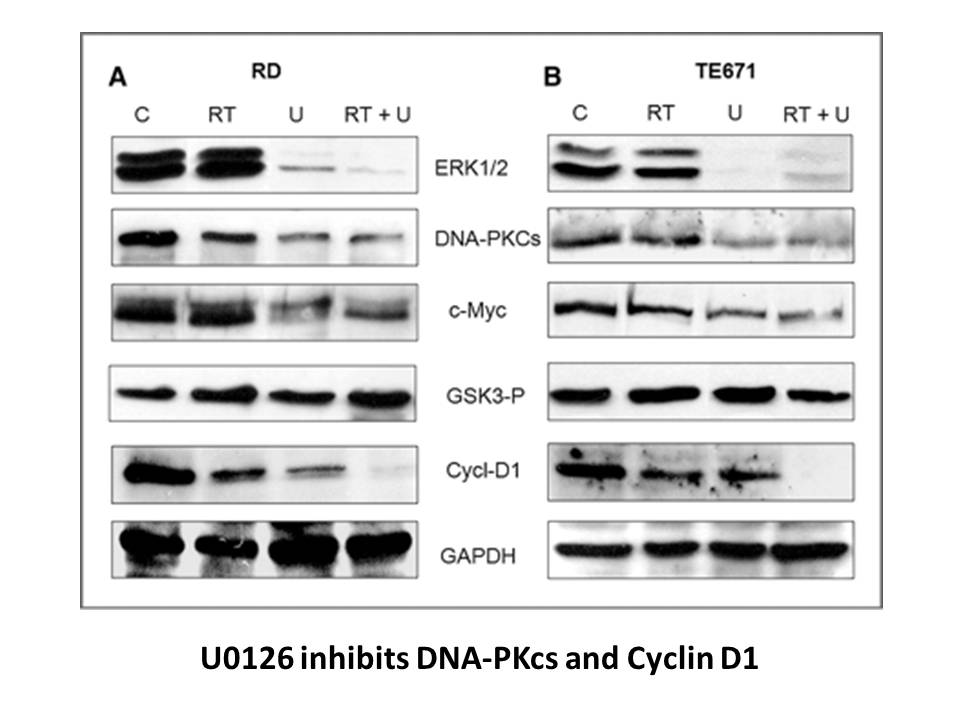
Interaction between AhR and ligands leads to AhR transformation (Fig. 1), characterized by a rapid receptor nuclear translocation and the formation of AhR/Arnt complex and the release of the chaperone proteins. Following AhR transformation, the AhR/Arnt complex binds to its cognate DNA consensus seq
To further clarify the vascular
2024-11-12
To further clarify the vascular cell types expressing AR subtypes, double immunofluorescence staining for ARs and vascular endothelial ochratoxin a or vascular smooth muscles was performed. As shown in Fig. 3, Fig. 4, overlay images show the expression of all ARs subtypes that we examined in vascul
br Conclusion The HT receptor family is complex
2024-11-11
Conclusion The 5-HT receptor family is complex, and one may ask as does Bryan Roth et al. [205] whether this is useless APY29 sale (i.e. too much redundancy) or an embarrassment of the riches (i.e. many potential targets to choose from to affect normal or pathological function); molecular biology
Receptor Subtypes and Their Function Critical Appraisal
2024-11-11
Receptor Subtypes and Their Function – Critical Appraisal Largely unselective ligands of the benzodiazepine binding site, such as diazepam, are known to elicit a wide range of in vivo effects including hypnosis, sedation, anxiolysis, and muscle relaxation. Genetically modified mice were introduced
8442 records 96/563 page Previous Next First page 上5页 96979899100 下5页 Last page